Why I Keep Coming Back to Games: Two Books for the Beach (or Poolside)


My reason for being in the software industry has always been games. I may never have made it to a game studio or launched a hit title. Still, the spark started early: XT-PC, Gameboy, 386 DX, Cyrix-powered Pentium, Voodoo 3D, and countless consoles—each generation brought a new obsession. And like many devs, I once dreamt of contributing to the kind of immersive, world-building magic that made childhood (and late-night college procrastination) so memorable.
Instead, I ended up in telecom, finance, and e-commerce. Not exactly AAA studios. The closest I came to game development? A lovingly-crafted Tetris clone I built in the ’90s with glorious SVGA graphics and keyboard controls that would make your wrists hurt today 😅.
Still, I keep circling back—if not to making games, then to reading about how they’re made. And after Blood, Sweat & Pixels and Masters of Doom, two books stood out this year for my summer reading list:
🎮 Press Reset by Jason Schreier
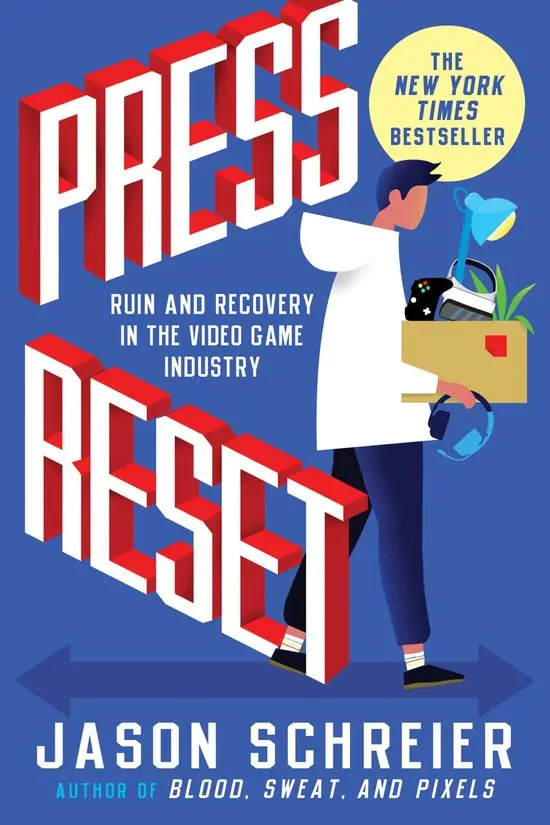
Following up on Blood, Sweat & Pixels, Jason Schreier returns with another behind-the-scenes tour of the gaming industry—only this time, it’s about what happens after the credits roll. Or don’t.
Press Reset dives into the lives of the people who make games when their studios shut down, their jobs vanish, and their careers get reshuffled by mergers, cancellations, or creative implosions. It’s a sobering look at the lack of stability in an industry many of us dreamed of joining, told with Schreier’s signature blend of empathy and journalistic grit.
Stories from big names like Irrational Games (BioShock) and the systemic chaos at places like 38 Studios paint a picture that’s both fascinating and frustrating. If Blood, Sweat & Pixels was a love letter to the effort of shipping a game, Press Reset is a bittersweet reminder of what it costs—and how fragile it all is.
You walk away appreciating the craft and the chaos. And you may silently thank your past self for not packing up and moving to San Francisco with stars in your eyes.
🕹️ Disrupting the Game by Reggie Fils-Aimé
Where Schreier gives you the journalist’s eye on the trenches, Disrupting the Game is Reggie’s executive-level power play. And it’s a surprisingly heartfelt one.
Reggie Fils-Aimé, the larger-than-life former President of Nintendo of America, shares his journey from being a Haitian-American kid in the Bronx to becoming the face of Nintendo for millions of gamers. Part memoir, part business book, this one is a different kind of game dev story—it’s about the why, not just the how.
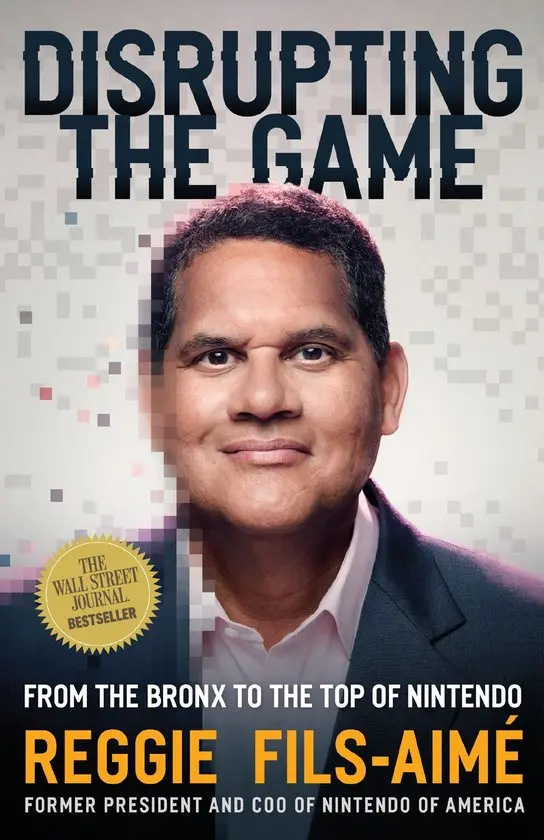
You’ll find insights on leadership, disruption, and how to stay true to your values when managing one of the world’s most beloved entertainment brands. Reggie doesn’t sugarcoat the tough calls or corporate tension, but he also brings joy and pride into the narrative—two things that remind you what the best games are really about.
And yes, there’s enough inside baseball to satisfy your inner Nintendo nerd (spoiler: the Wii almost didn’t happen the way it did).
🏖️ Conclusion
So while my number-of-games-developed is still sitting at one (28 years ago and counting), these books scratch the itch.
They show the ups and downs, the inspiration and heartbreak, and the real lives behind the pixels and press releases. Whether you’re lounging by the pool or between Git commits, Press Reset and Disrupting the Game offer something rarer than loot boxes—perspective.
Maybe it’s time to open my IDE again. I know I’ve got a few more lines of game code left in me yet.

We're confident we can supercharge your software operation
Our products and services will delight you.
What we do
Three kinds of work, two ways to deliver it: we build it, or we build alongside your team.
Read more:

OpenAI's AI agents broke into another company. So why are we calling it a conspiracy?
OpenAI's AI agents broke into Hugging Face, another AI company, this summer. Dwarkesh Patel called it an AI civilisation...

AI Makes Code Cheap. Your Organization Is Still Expensive.
Developers in a controlled trial were 19% slower with AI and believed they were 20% faster. Meanwhile DORA found that or...

A $200 AI subscription delivers $14,000 of compute. But does the maths hold up?
A $200 ChatGPT Pro subscription supposedly delivers $14,000 a month of compute. That is how the screenshot goes round. I...

My AI Agent Works Through the Night. It Just Can't Decide Anything.
Since August, an agent runs every weekday at half past seven, reads our open merge requests and forms an opinion on each...

48 major outages in twelve months. What is going on at GitHub?
Eight hours down in a single afternoon, 48 major outages in a year, and the largest cause is capacity. On GitHub becomin...

What you're missing with AI agents is rarely a tool
I have been running several AI agents side by side for months. After five hours of DHH on programming with agents, my to...